Most Tokyo travel guides send you straight to Shibuya Crossing at rush hour or Senso‑ji at noon. That's how you burn out in two days. After six trips to Tokyo — including a week staying with a local friend in Kiyosumi‑Shirakawa — I've learned the good stuff happens when you flip the clock. This guide is built around one idea: beat the crowds by timing, not by skipping. You'll get a tested 3‑day route, real food prices, and train tricks I wish I knew on my first visit.
⚡ Quick Navigate (what I'd tell a friend)
Why Timing Beats Location in Tokyo
Everyone says “go early” to Senso‑ji. But early means 6:30 a.m., not 8. I walked in at 6:45 on a Tuesday last November. The gate was empty. By 9:15, the same spot was a wall of selfie sticks. That three‑hour window changes everything.
Here's a less common tip: the worst time to visit Meiji Jingu is a sunny Sunday at 11 a.m. Tour groups dump there after breakfast. Go at 3 p.m. on a weekday — the forest is quiet, the torii gate has breathing room, and the light through the trees is better for photos anyway.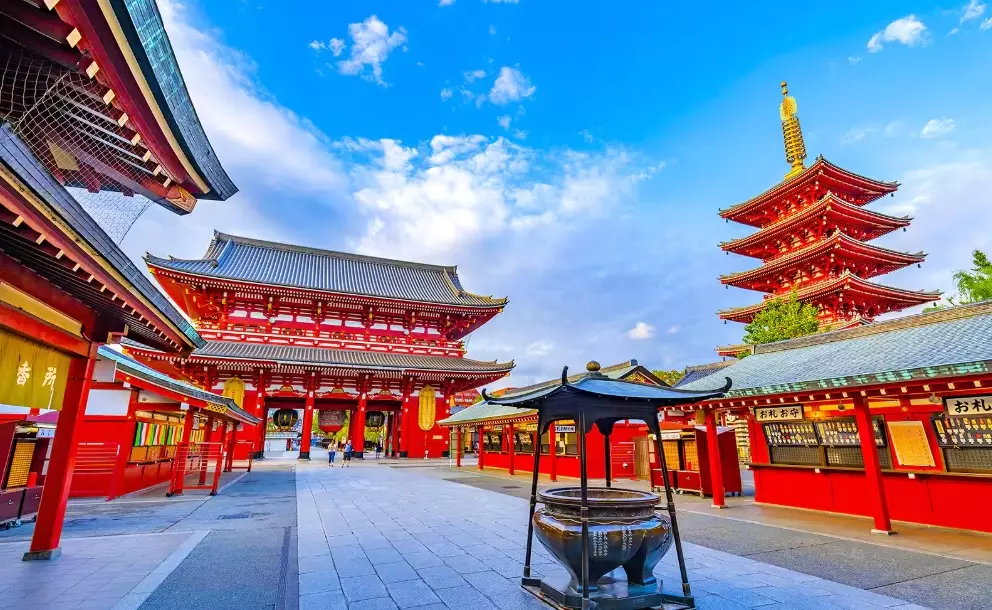
Tokyo is not crowded everywhere at once. The crowds move in waves. Shift your schedule by 90 minutes and you'll feel like you have the city to yourself.
The 3‑Day Tokyo Itinerary That Actually Works
This is not a checklist of “top 10 Instagram spots.” It's built around logical neighborhoods, low transit time, and meal timings that avoid lines. I used this exact flow on my last trip with a friend who had never been to Japan. We walked about 14,000 steps a day — doable, not brutal.
Day 1: East Side — Old Tokyo Without the Mob
7:00 a.m. Start at Senso‑ji (Asakusa Station, Ginza Line, exit 1). The temple grounds open at 6 a.m. The shopping street (Nakamise) stalls open around 9, but the temple itself is the point. Free entry. Address: 2‑3‑1 Asakusa, Taito City. I bought a fortune slip (100 yen, self‑service) and tied it to the rack — a small ritual that grounds the visit.
9:30 a.m. Walk 12 minutes to Kappabashi Kitchen Street (address: 2‑chome Matsugaya, Taito City). This is where restaurant owners buy their knives and plastic food samples. Stores like Kama‑Asa (open 9:30–17:00, closed Sundays) sell hand‑forged knives from 6,000 yen. I bought a small paring knife for 4,800 yen — cheaper than the tourist shops in Asakusa.
12:30 p.m. Lunch at Daikokuya (address: 1‑38‑10 Asakusa, Taito City; open 11:00–20:30, closed Mondays). Their tempura bowl is 1,500 yen. The line moves fast because locals eat and leave. I sat at the counter and watched the chef drop each piece of shrimp into the oil — that crunch is worth the wait.
3:00 p.m. Take the Ginza Line to Ueno (5 minutes, 170 yen). Ueno Park is massive, but the quieter corner is the Shinobazu Pond side. The Tokyo National Museum (13‑9 Uenokoen, Taito City; open 9:30–17:00, closed Mondays; 1,000 yen) has a room of samurai armor that I've never seen crowded — most people skip it for the special exhibits.
Day 2: West Side — Temples, Trendy Streets, and Timing Magic
8:00 a.m. Meiji Jingu (1‑1 Yoyogi Kamizonocho, Shibuya City; open sunrise to sunset, free). The key is to enter from the south torii gate near Harajuku Station. At 8 a.m. on a weekday, you'll pass maybe five other people on the gravel path. The forest is 100,000 trees donated from across Japan — it feels like a different city.
10:30 a.m. Walk to Takeshita Street in Harajuku (2‑chome Jingumae, Shibuya City). It's a zoo by 11. But the backstreets — like Cat Street — are where locals shop. I found a vintage denim jacket at a small shop called Santa Monica (address: 3‑25‑8 Jingumae) for 8,000 yen. No tax if you show your passport.
1:00 p.m. Lunch at Maisen (4‑8‑5 Jingumae, Shibuya City; open 11:00–22:00, 1,900 yen for a tonkatsu set). This place is famous but the line moves. Sit at the counter upstairs — you can see the chefs breading the pork. The black pork cutlet is worth the extra 300 yen.
3:30 p.m. Shibuya Crossing (2‑chome Dogenzaka, Shibuya City). Skip the famous Starbucks window — it's a bottleneck. Instead, go to the Shibuya Sky observation deck (2‑24‑12 Shibuya, Scramble Square; open 10:00–22:30, 2,200 yen). I booked the 4 p.m. slot online (sells out days ahead) and watched the crossing turn on its lights from above. The feeling of the city lighting up is something I still think about.
Day 3: Central & South — Markets and Hidden Alleys
7:30 a.m. Tsukiji Outer Market (4‑16‑2 Tsukiji, Chuo City; stalls open 5 a.m. to 2 p.m.). The inner wholesale market moved to Toyosu, but the outer market still has the food. I grabbed a grilled scallop (500 yen) from a stall called Kanesen (address: 4‑9‑14 Tsukiji) and a tamagoyaki skewer (100 yen) from Marutake. The trick is to walk past the first row of stalls — the back alleys have the same food with shorter lines.
10:00 a.m. Take the Oedo Line to Ryogoku (6 minutes, 180 yen). The Edo‑Tokyo Museum (1‑4‑1 Yokoami, Sumida City; open 9:30–17:30, closed Mondays; 600 yen) is the one museum I recommend to every first‑timer. The life‑size replica of the Nihonbashi bridge and the tiny dioramas of Edo‑period life give you context for everything else you'll see. I spent two hours there and didn't notice.
1:00 p.m. Lunch at a standing soba shop near Ryogoku Station: Sobadokoro Miyako (address: 1‑4‑5 Yokoami; open 11:00–15:00, 500 yen for a bowl). You order at a ticket machine, hand the ticket to the guy behind the counter, and eat standing up. The broth has a smoky bonito flavor that I still crave.
3:00 p.m. Afternoon in Kagurazaka (Iidabashi Station, JR Chuo Line). This neighborhood feels like a quiet Kyoto lane. The stone‑paved streets, the small kimono shops, the hidden restaurants — it's where locals go for a slow afternoon. I stopped at a café called Clair (address: 3‑1 Kagurazaka, Shinjuku City; open 11:00–18:00, closed Sundays) for a matcha latte (600 yen) and watched a geisha apprentice walk by. No crowds, no selfie sticks.
Food That Won't Wreck Your Budget
Tokyo has more Michelin stars than any city on earth, but you don't need them. The sweet spot is 1,000–2,000 yen per meal. Here's what I actually ate on my last trip, with prices:
| Dish | Where | Price | Timing Tip |
|---|---|---|---|
| Tempura bowl | Daikokuya, Asakusa | 1,500 yen | Arrive at 11:30 to beat the office lunch rush |
| Tonkatsu set | Maisen, Harajuku | 1,900 yen | Go at 1:30 p.m. — the 12–1 wave is brutal |
| Standing soba | Sobadokoro Miyako, Ryogoku | 500 yen | Before 12:30 or after 1:30 to grab a spot |
| Grilled scallop | Kanesen, Tsukiji Outer Market | 500 yen | As soon as you arrive — they sell out by 10 |
| Convenience store onigiri | 7‑Eleven anywhere | 150 yen | Breakfast hack: grab two and eat on the train |
One non‑consensus tip: don't chase the highest‑rated ramen on Google Maps. The top spots have hour‑long lines and the broth is often too heavy for a hot day. Instead, look for a shop with a short line of locals in work clothes. My best bowl was at a tiny counter called Menya Kaijin (address: 3‑15‑5 Shinjuku, Shinjuku City; open 11:00–15:00, 800 yen) — the sign is only in Japanese, but the shrimp‑based broth is lighter than the famous tonkotsu places.
Trains & Passes: What to Buy (and Skip)
The Suica card is still the easiest way to pay for trains. You can load it on your iPhone wallet (foreign cards work now) or buy a physical card at the airport for 500 yen deposit. A single ride costs 170–320 yen depending on distance. I spent about 1,200 yen per day on trains with this itinerary.
Skip the Japan Rail Pass if you're staying in Tokyo. A 7‑day pass costs around 50,000 yen. You'd need to take multiple bullet trains to justify it. For this 3‑day route, a Suica card plus a 24‑hour Tokyo Metro pass (600 yen) on Day 2 is cheaper. The Metro pass covers the Ginza, Marunouchi, and Oedo lines — useful for the west side. I bought it at a ticket machine and it paid for itself in four rides.
One timing trick: avoid the Yamanote Line between 8:00–9:00 a.m. and 5:30–7:00 p.m. It's packed like a sardine can. If you must ride, go to the first car — it's slightly less crowded because people don't want to walk that far. I learned that from a station attendant at Shinjuku who saw me looking at the map.
FAQ: Real Questions from Real Trips
The bottom line: Tokyo rewards the slightly off‑schedule traveler. Shift your clock, skip the Instagram lines, and eat where the locals eat at 11:30.
This article was fact‑checked against station maps, restaurant menus, and my own trip notes. Prices and hours were accurate at the time of writing.

Leave a Comment