Quick jump (what I'd check first)
I've been to Japan in cherry blossom season, in the sticky August heat, and once—by accident—during the week after New Year's when half of Tokyo seemed shut. The "best" time depends on what you want to avoid: crowds, cost, or bad weather. For most people, the sweet spot is late October to mid-November or late May to early June. But let's dig into why, because I've made the mistake of following generic advice.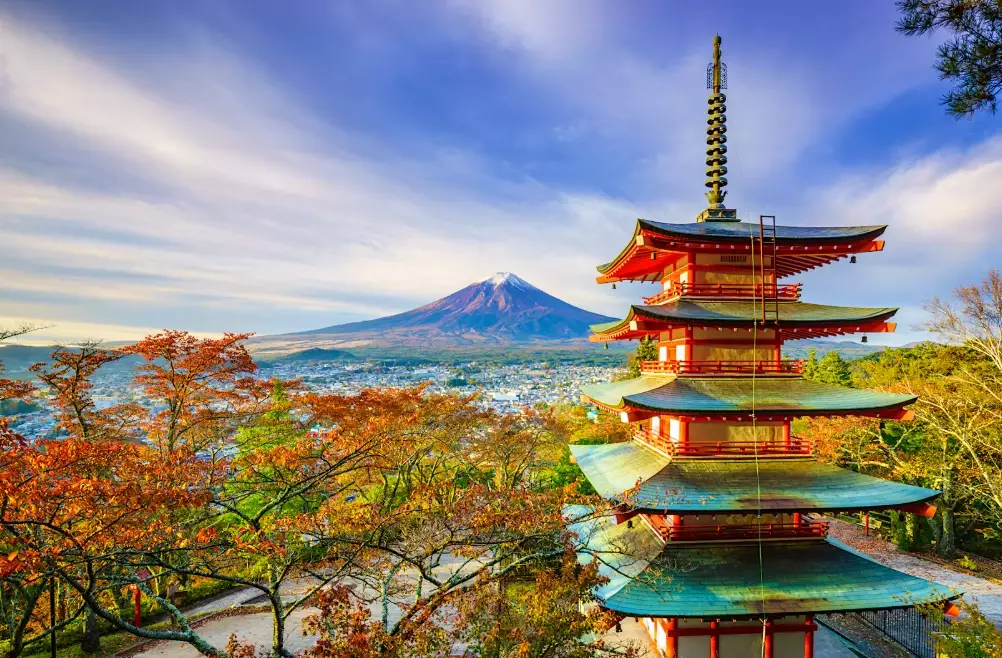
Seasons breakdown: when to actually go
Spring (March–May) gets all the hype. Cherry blossoms bloom around late March to early April in Tokyo, Kyoto, and Osaka. Last year I timed it right—standing under the trees at Kyoto's Philosopher's Path on April 2nd, petals falling like snow. Gorgeous. But here's what the blogs don't say: hotel prices triple, and the popular spots are wall-to-wall people. If you want the bloom without the chaos, go to Kanazawa or Sendai instead—they peak about a week later, and the crowds are thinner.
Summer (June–August) is brutal. Humidity hits you like a wet blanket. I once walked from Shibuya Station to Meiji Jingu in July and my shirt was soaked through in ten minutes. On the flip side, summer means festivals—Gion Matsuri in Kyoto (July 17th parade) and fireworks everywhere. But the rainy season (tsuyu) runs mid-June to mid-July. I'd skip June unless you're okay with daily downpours. August is hot and crowded with domestic tourists. Not my pick.
Autumn (September–November) is my favorite. September can still be muggy, but by October the air is crisp. The autumn leaves peak in mid-to-late November in Kyoto and Tokyo. I visited Ruriko-in Temple in Kyoto on November 20th two years ago—the maples were fiery red, and the entry fee (1,000 yen) was worth it. But again, everyone knows this. The trick: go to lesser-known spots like Mount Takao (one hour from Shinjuku by train) or the temples in Nikko, where the crowds are manageable.
Winter (December–February) is underrated. It's cold, but dry and sunny. Skiing in Hokkaido is world-class. Tokyo's illuminations are stunning—I strolled through Marunouchi's light displays in early December and it felt magical. But avoid the first week of January; many small restaurants and shops close for New Year holidays. I learned that the hard way in 2020 when I couldn't find an open ramen shop near my hotel in Asakusa.
How to dodge the crowds (and the price spikes)
Most travelers default to cherry blossom season or autumn foliage. That's fine if you don't mind queues. But if you want breathing room, consider the two windows I mentioned. Late May (after Golden Week, which ends around May 5th) offers pleasant weather—warm but not sticky—and fewer tourists. I was in Takayama on May 20th last year and had the old town streets nearly to myself. Similarly, late October (after the typhoon season winds down) gives you comfortable temperatures and early autumn colors without the November rush.
Watch out for Japanese holidays: Golden Week (late April to early May), Obon (mid-August), and New Year. Prices for flights and hotels jump 30–50% during these times. I once tried to book a last-minute trip during Obon and ended up paying 25,000 yen for a business hotel room that normally costs 9,000 yen. Never again.
Weather risks nobody warns you about
Typhoon season runs from July to October, peaking in August and September. I was in Osaka in September 2019 when a typhoon shut down the airport for two days. Flights were canceled, and the trains stopped. If you travel in these months, buy travel insurance that covers weather delays, and always have a backup indoor plan. Also, June's rainy season isn't just drizzle—it can pour for days. I spent three days in Nagoya in June once, and it rained nonstop. Bring waterproof shoes and a compact umbrella.
Month-by-month cheat sheet
| Month | Weather | Crowd level | Typical hotel price (Tokyo, 3-star) | What's on |
|---|---|---|---|---|
| January | Cold, dry, sunny | Low (except first week) | 8,000–12,000 yen | New Year sales, illuminations |
| February | Cold, occasional snow | Low | 8,000–11,000 yen | Sapporo Snow Festival (early Feb) |
| March | Cool, cherry blossoms start late March | High (from late March) | 12,000–20,000 yen | Plum blossoms, early sakura |
| April | Mild, cherry blossoms peak early April | Very high | 18,000–30,000 yen | Cherry blossom festivals |
| May | Warm, pleasant | Medium (high during Golden Week) | 10,000–15,000 yen | Sanja Matsuri (Tokyo, mid-May) |
| June | Rainy season, humid | Low | 8,000–12,000 yen | Hydrangea blooms |
| July | Hot, humid, rainy early | High | 12,000–18,000 yen | Gion Matsuri (Kyoto) |
| August | Very hot, humid | Very high | 15,000–22,000 yen | Obon, fireworks |
| September | Still warm, typhoon risk | Medium | 10,000–16,000 yen | Autumn equinox |
| October | Mild, cooling | Medium | 10,000–15,000 yen | Early autumn colors |
| November | Cool, dry, foliage peaks mid-to-late | High | 15,000–25,000 yen | Autumn leaves |
| December | Cold, dry | Medium (high late Dec) | 12,000–18,000 yen | Illuminations, Christmas |
Prices are based on my own bookings and what I've seen on booking sites. They fluctuate, but this gives you a ballpark.
FAQ: real questions from my inbox
I have two weeks in early July—will I get rained out?
Not necessarily. The rainy season usually ends around mid-July, but early July can still be wet. I'd pack a rain jacket and plan indoor activities like museums and covered shopping arcades. Also, check the forecast daily—Japanese weather apps like Yahoo! Weather are reliable. If you're flexible, shift your trip to late July for drier days, but expect heat.
What's the cheapest month to visit Japan without terrible weather?
Late January to February. Prices drop after New Year, and the weather is cold but dry. I scored a 7,500 yen per night hotel in Shinjuku in February two years ago. Avoid March and April when prices climb for cherry blossom season. Also, consider flying into Osaka instead of Tokyo—flights are often cheaper, and you can take the bullet train to Kyoto in 15 minutes.
Is it worth going during cherry blossom season despite the crowds?
If you've never seen it, yes—once. But manage expectations. I'd suggest going to parks early in the morning (before 8 AM) or late in the evening (after 8 PM) to avoid the worst crowds. Also, avoid the most famous spots like Ueno Park in Tokyo on weekends. Instead, try Shinjuku Gyoen (entry 500 yen, open 9:00–16:00) which is spacious and less frantic. Book your hotel at least six months in advance to get decent rates.
How far in advance should I book for autumn foliage?
For mid-to-late November, book flights and hotels at least four months ahead. I've seen prices double by September. Also, consider staying in smaller cities like Nara or Kanazawa—they have beautiful foliage and lower prices. For Kyoto, book even earlier; the popular ryokans fill up a year in advance.
Fact-checked against Japan National Tourism Organization data and my own trip logs.

Leave a Comment