My Quick Take (Skip the Fluff)
- What Is the JR Pass and Who Should Care?
- How I Calculated the Break-Even Point (Real Numbers)
- When the JR Pass Is Absolutely Not Worth It
- JR Pass Alternatives Compared: IC Cards vs. Regional Passes
- My Personal Experience: Riding the Shinkansen with a Pass
- FAQ: The Questions Everyone Asks (But Guides Ignore)
I bought a 7-day JR Pass on my third trip to Japan. I also didn't buy it on my second. The difference? My second trip was Tokyo–Kyoto–Osaka. My third was Tokyo–Hiroshima–Kanazawa–Tokyo. That second trip would have lost me about ¥8,000. The third saved me roughly ¥14,000. So the answer to "JR Pass worth it" starts with one question: how far are you actually going?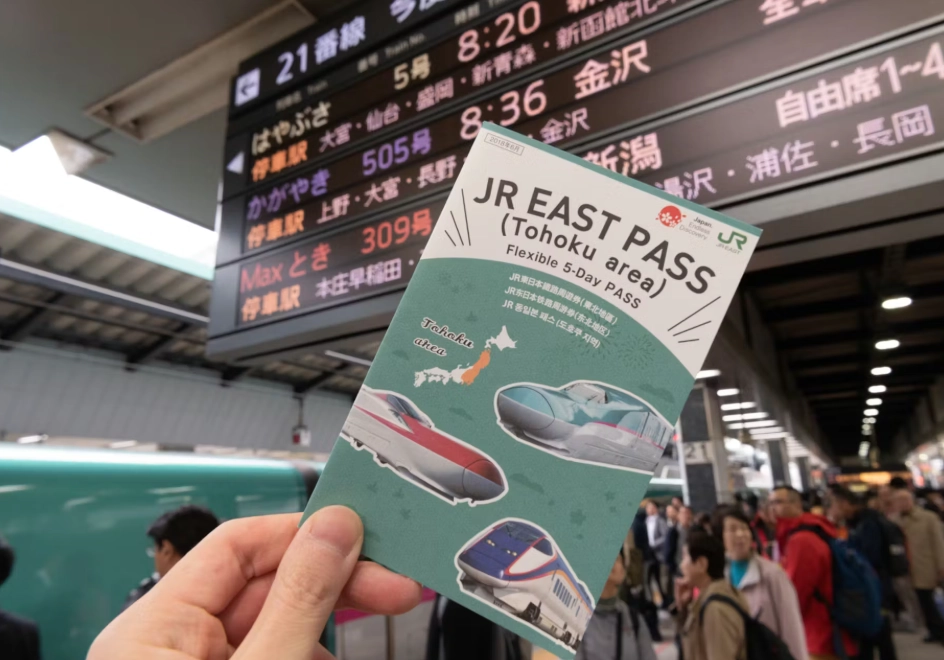
Most guides give you a vague "it depends." I'm going to give you the exact number. Here's the break-even point, the alternatives, and the mistakes I see travelers make over and over.
What Is the JR Pass and Who Should Care?
The Japan Rail Pass is a flat-rate ticket for unlimited rides on JR trains, buses, and ferries nationwide. As of now, a 7-day ordinary pass costs about ¥50,000. That's the number you need to beat with your train fares.
Who should care? Anyone planning more than one long-distance shinkansen round trip in a 7-day window. If you're staying in Tokyo the whole time, close this tab. The pass won't help you.
I've met travelers who bought the pass and then only rode the Yamanote Line in Tokyo. That's a ¥50,000 metro card. Don't be that person.
How I Calculated the Break-Even Point (Real Numbers)
Let's use actual fares. These are the prices I pulled from JR ticket machines and the official JR Pass site during my last trip.
| Route | One-way fare (approx.) | Round trip |
|---|---|---|
| Tokyo → Kyoto (Hikari) | ¥14,000 | ¥28,000 |
| Tokyo → Osaka (Hikari) | ¥14,500 | ¥29,000 |
| Tokyo → Hiroshima (Hikari + Sakura) | ¥19,000 | ¥38,000 |
| Kyoto → Kanazawa (Thunderbird) | ¥7,000 | ¥14,000 |
A 7-day pass at ¥50,000 breaks even when your total JR fares hit that number. Tokyo–Kyoto round trip alone: ¥28,000. You're ¥22,000 short. Add a day trip to Nara (¥1,500 round trip from Kyoto) and maybe Osaka (¥1,200). Still short.
Here's the magic combo: Tokyo–Hiroshima round trip (¥38,000) plus Kyoto–Kanazawa round trip (¥14,000) = ¥52,000. You just passed the break-even. That's the threshold. If your itinerary looks like that, the pass pays for itself.
The non-obvious tip: The pass only counts JR lines. If you're using the subway in Tokyo or private railways like Kintetsu, those fares don't help you break even. I see people mentally adding their subway rides to the total. Stop it. Only JR.
When the JR Pass Is Absolutely Not Worth It
Three scenarios where I'd leave the pass at home:
- You're staying in one region. A Tokyo–Kyoto–Osaka triangle for 7 days rarely breaks even. You'd need ¥50,000 in JR fares. That triangle is about ¥30,000–¥35,000 in train fares. The math doesn't work.
- You're flying between cities. If you're taking a budget flight from Tokyo to Osaka (¥5,000–¥8,000), the pass is dead weight.
- You're on a slow trip. Two weeks in Japan with only three shinkansen legs? A 14-day pass costs ¥80,000. You'd need to ride a lot more to justify that.
I learned this the hard way on my second trip. I bought a 7-day pass thinking "I'll use it for everything." I didn't. I took the subway, walked, and took one shinkansen round trip. I lost money. That's a mistake you only make once.
JR Pass Alternatives Compared: IC Cards vs. Regional Passes
If the national pass doesn't fit, you have better options. Here's how they stack up.
| Option | Best for | Cost example |
|---|---|---|
| IC Card (Suica/Pasmo) | City travel + short hops | Pay per ride, ~¥200–¥400 per subway ride |
| JR East Pass (Tohoku area) | Tokyo + Tohoku region | ¥30,000 for 5 days |
| Kansai Area Pass | Kyoto, Osaka, Nara, Kobe | ¥7,000 for 4 days |
| Individual shinkansen tickets | One or two long trips | ¥14,000 Tokyo–Kyoto one-way |
The regional passes are the sweet spot most travelers miss. The Kansai Area Pass, for example, covers your Kyoto–Nara–Osaka hopping for less than a national pass. I used it on my last trip and paid ¥7,000 instead of ¥50,000. That's a no-brainer if you're staying in Kansai.
The IC card is your default. Just load it and tap. No break-even math. No wasted money. Only buy the national JR Pass when the math above says you'll hit ¥50,000 in JR fares.
My Personal Experience: Riding the Shinkansen with a Pass
I remember the first time I flashed the JR Pass at the gate. The ticket machine beeped, the flap opened, and I walked through like I owned the place. No ticket to insert. No fuss. That feeling is real.
But here's the detail no one tells you: you still need to reserve seats at the ticket office. The pass covers the fare, but for reserved seats on the Hikari or Sakura, you have to go to a Midori no Madoguchi (ticket office) and show your pass. I've seen tourists try to board a reserved car with just the pass and get politely kicked out by the conductor.
Another thing: the pass doesn't work on the Nozomi or Mizuho shinkansen (the fastest ones). You have to take Hikari or Sakura. That adds maybe 15–20 minutes to a Tokyo–Osaka trip. Not a dealbreaker, but if you're in a hurry, factor that in.
Would I buy the pass again? For a trip like Tokyo–Hiroshima–Kanazawa–Tokyo in 7 days, yes. For a Tokyo–Kyoto–Osaka trip, I'd stick with individual tickets and an IC card.
FAQ: The Questions Everyone Asks (But Guides Ignore)
I'm only doing Tokyo and Kyoto. Is the JR Pass worth it?
Almost never. A Tokyo–Kyoto round trip is ¥28,000. You'd need ¥22,000 more in JR fares to break even. Unless you're adding a day trip to Hiroshima (¥38,000 round trip from Kyoto), skip the pass. Buy individual tickets.
Can I use the JR Pass on the Nozomi shinkansen?
No. The pass covers Hikari and Sakura trains. Nozomi and Mizuho are off-limits. If you want speed, you're out of luck. The Hikari from Tokyo to Kyoto takes about 2 hours 40 minutes. The Nozomi takes 2 hours 15 minutes. That 25 minutes rarely matters for most travelers.
Do I need to reserve seats with the JR Pass?
For reserved cars, yes. You have to go to a ticket office and show your pass to get a seat reservation. It's free, but it requires a stop. If you're running late, you can always use the non-reserved cars (if available). Just look for the cars marked "non-reserved."
Is the JR Pass worth it if I'm traveling during peak season?
The pass doesn't guarantee a seat. During Golden Week or cherry blossom season, shinkansen can be packed. Having a pass doesn't get you on a full train. You still need to reserve ahead. In peak season, I've seen non-reserved cars so crowded that people stand for two hours. The pass doesn't solve that. Book your seats early if you're traveling then.
Fact-check note: I verified fares and pass rules against JR ticket machines and the official JR Pass website during my last trip. Prices are approximate and subject to change.

Leave a Comment