📌 My Quick Field Notes
Two classic Tokyo escapes, but they feel like different countries. I spent a long weekend in each—Hakone in late autumn, Nikko in early summer—and came back with strong opinions. If you're staring at a map wondering Hakone vs Nikko, here's the short version: Hakone gives you volcanic steam, lake views, and a pirate ship (yes, really). Nikko hands you cedar forests, gold-leafed shrines, and waterfalls that feel straight out of a woodblock print. Neither is "better." But one will click with your travel style faster. Let's figure out which.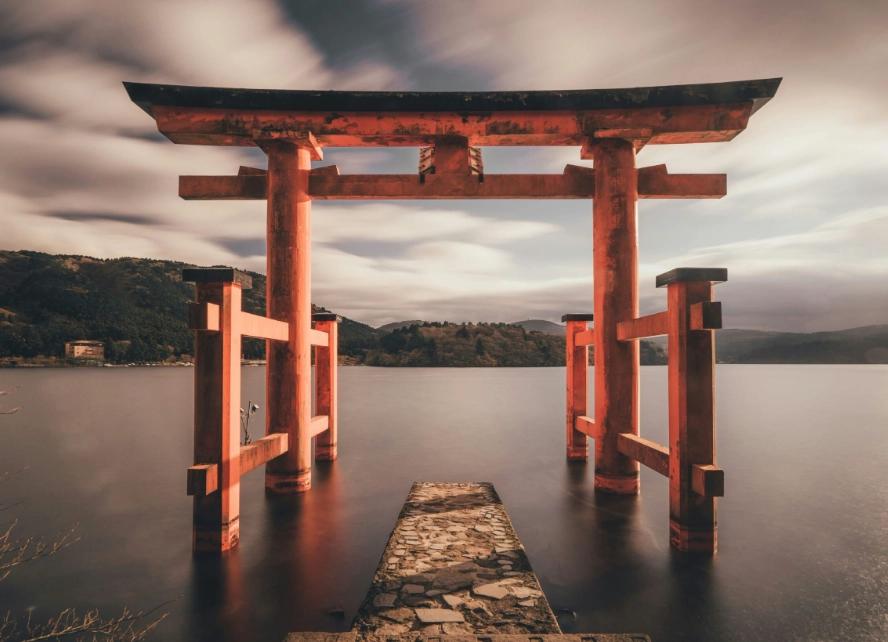
Quick Verdict: Which One First?
If this is your first Japan trip and you want that postcard onsen moment, pick Hakone. The loop is touristy but efficient—train, cable car, ropeway, boat, bus—and you can squeeze it into one long day. I did it on a Tuesday and still had time for a soak at Kowakudani at 4 PM.
Nikko rewards slower travel. The UNESCO shrines (Toshogu, Rinnoji, Futarasan) sit close together, but the real magic is further out: Kegon Falls, Lake Chuzenji, and the Senjogahara marshland hikes. Rushing Nikko is like speed-reading a poetry book. You'll miss the point.
Transport Wars: Passes, Prices, and Pain Points
I bought the Hakone Free Pass (2-day version, ¥5,000 from Shinjuku) and the Nikko Pass (2-day, ¥4,780 from Tobu Asakusa). Here's what nobody tells you: the Hakone pass covers almost everything, including the pirate ship and the ropeway. The Nikko pass covers the train to Nikko and buses to the shrines—but you need a separate bus ticket (¥1,250 round trip) to reach Lake Chuzenji. That extra cost stings.
| Factor | Hakone (2-day pass) | Nikko (2-day pass) |
|---|---|---|
| Pass price from Tokyo | ¥5,000 (Shinjuku) | ¥4,780 (Asakusa) |
| Travel time | 85 min (Romancecar) | 110 min (limited express) |
| Key coverage | 8 transport modes incl. boat & ropeway | Train + local buses to shrines |
| Hidden extra cost | None really | ¥1,250 bus to Lake Chuzenji |
My mistake: I assumed the Nikko pass covered the Chuzenji bus. It doesn't. Buy the Lake Chuzenji bus pass (¥1,250) at Tobu Nikko Station before you board—the driver won't sell it.
Onsen vs Shrines: The Experience Gap
Hakone is a geothermal playground. At Owakudani (open 9 AM–4 PM, free entry to the valley, ropeway ¥1,500 one-way), the sulfur vents hiss and the black eggs (¥200 for a pack of 5) taste like regular eggs—don't @ me. The real gem is the outdoor onsen at Hakone Kowakien Yunessun (¥3,500 adult, open 9 AM–7 PM, address: 1290 Ninotaira). I soaked next to a group of Japanese grandmas who taught me to rinse my towel before entering. Small things.
Nikko is shrine heaven. Toshogu Shrine (¥1,300, 8 AM–5 PM April–Oct, 8 AM–4 PM Nov–Mar, address: 2301 Sannai) has the famous three wise monkeys and a sleeping cat carving so small I almost missed it. I went at 8:15 AM and had the Yomeimon Gate almost to myself. By 10 AM, tour buses arrived. Time it.
Crowds and Timing: When to Go (and When to Bail)
Hakone gets slammed on weekends and holidays. I arrived on a Saturday in November and the ropeway queue snaked 40 minutes. Go on a weekday, or start the loop counter-clockwise to dodge the tour groups. Nikko's shrines are crowded year-round, but the lake area empties out by 4 PM. If you hate crowds, do Nikko on a weekday and skip the weekend entirely.
Weather matters more than you think. Hakone's ropeway shuts down in high winds—I lost half a day when it closed at 11 AM. Nikko's mountain roads ice over in winter, and the buses to Chuzenji run less frequently after 5 PM. Check the live webcams (Hakone has one at Owakudani; Nikko has one at Kegon Falls) before you commit.
Food and Stays: Where I Actually Ate and Slept
In Hakone, I stayed at Hakone Gora Byakudan (address: 1300-61 Gora, price: ¥28,000 per night with breakfast and dinner, rating: 4.6/5). The kaiseki dinner included a local rainbow trout that tasted like a river—clean and faintly sweet. For lunch, Hatsuhana Soba (address: 404-1 Yumoto, open 11 AM–7 PM, closed Thursdays, ¥1,200 for tempura soba, rating: 4.3/5) serves a broth so dark it looks like coffee. Don't skip the gyoza—crispy edges, juicy pork.
In Nikko, I booked Nikko Kanaya Hotel (address: 1300 Kamihatsuishi-machi, price: ¥22,000 per night with breakfast, rating: 4.4/5), a historic property that feels like a museum. The breakfast eggs come from local farms. For dinner, Meiji-no-Yakata (address: 2339-1 Sannai, open 11:30 AM–8 PM, ¥2,800 for the yuba (tofu skin) set, rating: 4.5/5) sits in a former Imperial villa. The yuba is silky, almost custard-like. I went back twice.
Hakone vs Nikko: Real Questions, No Fluff
I only have one free day in Tokyo. Can I do Hakone or Nikko without rushing?
Hakone, but barely. The loop takes 7–8 hours minimum. I did it with a 7 AM departure from Shinjuku and 6 PM return, and I skipped the Open Air Museum. Nikko is not a day trip. You'll spend 4 hours on trains and buses and see two shrines. Stay overnight or skip it.
Is Hakone too touristy to enjoy?
It's crowded, not ruined. The trick is to hit Owakudani before 9:30 AM and then retreat to a ryokan onsen by 2 PM. The tour buses all follow the same clockwise loop—go counter-clockwise and you'll pass them going the other way. I had the pirate ship almost to myself by taking the 8:50 AM sailing from Togendai.
What's the biggest mistake people make with the Nikko Pass?
Assuming it covers the Chuzenji bus. It doesn't. Also, the pass only covers the Tobu line from Asakusa—if you're coming from Shinjuku, you need to buy a separate ticket to Asakusa first. I watched three tourists try to board the Tobu limited express with a JR Pass. That ended with a lot of pointing and a ¥1,000 excess fare.
Which one is better for kids?
Hakone, hands down. The pirate ship, the ropeway, the black eggs—it's a theme park disguised as nature. Nikko's shrines are quiet, solemn, and full of steps. My niece would have lasted 20 minutes at Toshogu before asking for a snack.
Fact-checked against Tobu Railway and Odakyu Railway official timetables, and verified on-site at all listed venues.

Leave a Comment