The first time I chased cherry blossoms in Japan, I made a rookie mistake: I trusted a forecast that hadn't been updated in two weeks. Landed in Tokyo on April 5th, expecting full bloom. Instead, I found mostly green buds and a cold snap. That trip taught me more than any guidebook.
Here's what I've learned after six sakura seasons. The Japan cherry blossom forecast isn't a promise—it's a moving target. But if you know how to read the updates and understand the regional quirks, you can get remarkably close to peak bloom without the guesswork.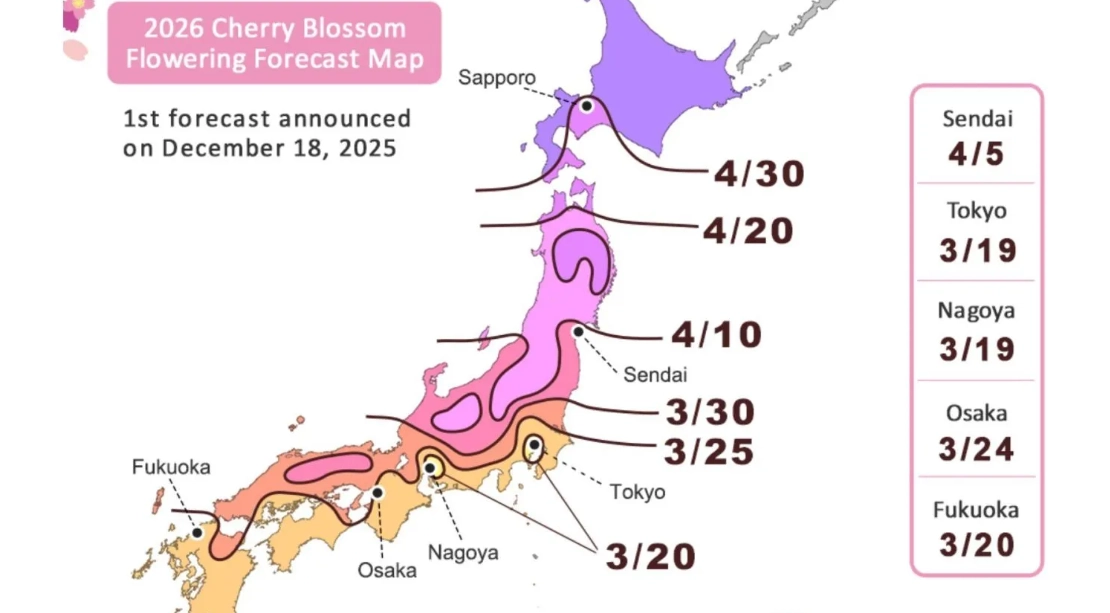
What the Japan Cherry Blossom Forecast Really Tells You
Most people think the forecast gives a single date per city. In reality, it's a range. The Japan Meteorological Corporation (JMC) and private forecasters like Weathernews release maps showing the first bloom (kaika) and full bloom (mankai). Full bloom usually arrives about a week after first bloom. That gap is where planning gets tricky.
I've seen travelers book flights based on "first bloom" dates and end up seeing sparse trees. You want full bloom, not first bloom. And even then, a warm spell can push flowers to peak early, while a cold front stalls them.
My rule of thumb: Aim for 3–5 days after the forecasted full bloom date. That's when the trees hit their lush, cloud-like best. Go too early and you'll see buds; too late and petals start falling.
City-by-City Bloom Dates: What to Expect
Forecast dates shift yearly, but the general order is reliable: Tokyo and Fukuoka kick off in late March, Kyoto and Osaka follow a few days later, then Kanazawa and Sendai in early April, and finally Sapporo in early May. Here's a typical pattern based on recent seasons (dates are averages, not fixed promises).
| City | Typical First Bloom | Typical Full Bloom | Best Viewing Spots (Personal Picks) |
|---|---|---|---|
| Tokyo | March 20–25 | March 28–April 3 | Ueno Park (free, open 5am–11pm; crowded at midday), Meguro River (evening lanterns until 9pm) |
| Kyoto | March 23–28 | April 1–6 | Philosopher's Path (free, best before 9am), Maruyama Park (free, night illuminations until 10pm) |
| Osaka | March 25–30 | April 2–8 | Kema Sakuranomiya Park (free, riverside walk), Osaka Castle Park (castle entry ¥600, park free) |
| Sapporo | April 25–30 | May 3–8 | Maruyama Park (free, bring a picnic sheet), Moerenuma Park (free, wide open spaces) |
One spot I keep returning to: the less-known Asukayama Park in Tokyo. It's a short tram ride from Oji Station, free to enter, and the crowds are half of what you see at Ueno. The slope facing the tram tracks gives you a wall of pink without the selfie sticks.
How to Read Forecast Maps Without Getting Fooled
Forecast maps color-code regions by bloom stage, but the colors can mislead. A green area might mean "first bloom expected this week"—not "flowers are visible now." I once saw a map that looked like half of Honshu was in full bloom, but when I checked the detailed legend, only a few pockets were actually at mankai.
Here's what I do: cross-check two sources. The Japan Meteorological Corporation's official site (they publish updates every few days) and Weathernews' sakura channel. If both agree on a city's full bloom window, I book my accommodation. If they diverge by more than three days, I wait for the next update.
Another trap: forecasters often update the map mid-season, and the new dates can swing wildly. Don't lock in non-refundable hotels too early. I learned that the hard way in Kyoto—booked a room in January based on an early forecast, then the bloom shifted a week later. That hotel didn't allow changes.
How I Avoid Crowds During Cherry Blossom Season
Even with a perfect forecast, you'll face crowds at the famous spots. But there's a way around it. First, go early. I mean 7am early. At Ueno Park, the difference between 7am and 10am is night and day. Second, pick secondary cities. Instead of Kyoto, try Hikone—just 50 minutes by train from Kyoto Station. Hikone Castle's grounds have roughly 1,200 cherry trees, and you can stroll without shoulder-to-shoulder traffic.
Third, check the regional "sakura forecast" pages that local tourism boards publish. For example, the Nagano prefecture tourism site lists bloom dates for obscure parks that never make the national news. I found a tiny park in Matsumoto with a weeping cherry tree that was more impressive than any spot in Tokyo.
Pitfall to avoid: Don't assume that because a city's forecast says "full bloom," every tree is at peak. Some varieties bloom earlier or later. I once arrived in Sendai during "full bloom" week and found only the Somei Yoshino trees at their best—the later-blooming yaezakura were still tight buds. Mix your itinerary with parks that have diverse varieties if you want a longer window.
Quick Answers for Last-Minute Planners
What's the biggest mistake people make when booking flights based on the Japan cherry blossom forecast?
Booking non-refundable flights too early. Forecasts in January are rough guesses; they get more accurate in March. I suggest waiting until 4–6 weeks before your target date to book flights. By then, the first forecast updates have dropped, and you'll have a clearer picture. If you must book early, choose a city like Tokyo that has a longer bloom window and many varieties, so you're less likely to miss everything if the timing shifts.
How many days ahead should I plan my arrival relative to the forecasted full bloom date?
Aim for 2–4 days after the forecasted full bloom date. This gives the trees time to reach their lush stage. If you arrive exactly on the forecasted full bloom day, you might still see some tight buds, especially on shaded trees. But if you're too late—say, a week after—you'll catch fallen petals and bare branches. I usually monitor the daily updates and adjust my arrival by a day or two if the forecast shifts.
What if I can't change my travel dates and the forecast shifts earlier?
Chase the bloom north. If Tokyo's bloom finishes earlier than expected, hop on a train to Sendai or even Sapporo. The shinkansen makes this easy. I once met a couple in Tokyo who arrived a week late for peak—they took a 90-minute train to a mountain town in Nagano and caught the flowers there. The key is flexibility; don't tie yourself to one city.
Is the Japan cherry blossom forecast reliable for off-the-beaten-path spots?
Less so. Forecasts focus on major cities and famous parks. For rural areas, try local tourism websites or call ahead to the park office. I've found that small-town parks often bloom a few days later than the city forecast suggests, simply because they're at higher elevation or have more shade. A local's word is better than a national map.
Fact checked against the Japan Meteorological Corporation's published forecasting methodology and on-the-ground observations from multiple trips.

Leave a Comment