I've been eating my way through Osaka for the better part of a decade, and I still discover stalls that surprise me. This isn't a list of the same 10 Dotonbori spots every blog copies. It's what I'd tell a friend who lands at Kansai Airport with three days and an empty stomach. Osaka food is loud, cheap, and unpretentious — if you know where to look.
What I'll walk you through
What makes Osaka food different
Tokyo gets the Michelin stars. Osaka gets the personality. This city runs on kuidaore — eat until you drop — and you feel it the second you step into Shinsekai or a random standing bar in Fukushima. The food is saucy, grilled, and priced for regular people.
One thing that catches first-timers off guard: Osaka doesn't do subtle. Takoyaki comes with a tidal wave of mayo and bonito flakes. Okonomiyaki is a savory pancake that tastes like a hug. If you're expecting delicate kaiseki, you're in the wrong neighborhood. But if you want to eat like a local for under ¥1,500 a meal, this is your city.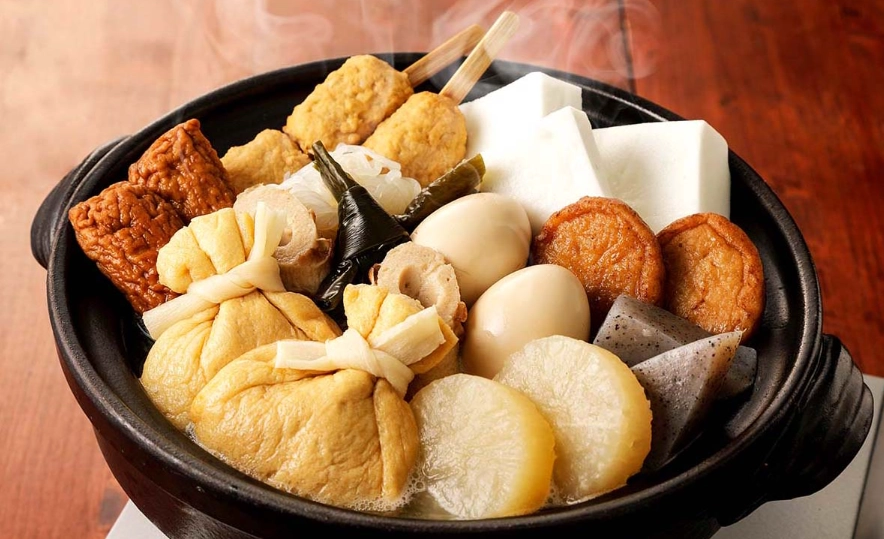
The dishes you can't skip
Let's get the obvious ones out of the way, then I'll tell you what locals actually argue about.
- Takoyaki — Octopus balls. My rule: skip the Dotonbori tourist stands and find a hole-in-the-wall. The batter should be runny inside, not cakey.
- Okonomiyaki — Savory cabbage pancake. Osaka style mixes everything in the batter. Hiroshima style layers it. Locals here are fiercely loyal to Osaka style.
- Kushikatsu — Deep-fried skewers. The rule at any kushikatsu joint: no double-dipping in the communal sauce. The sauce is a shared pot. You'll see warning signs. They're serious.
- Negiyaki — A thinner, scallion-heavy version of okonomiyaki. Less famous outside Japan, but a lot of Osaka natives order it over the thick version.
- Udon in a dark broth — Osaka udon broth is lighter and saltier than Tokyo's. Try a bowl at a stand-up counter before you knock it.
The non-consensus take: Most visitors think takoyaki should be crispy on the outside. In Osaka, the best ones are slightly soft, almost creamy in the center. If it's crunchy all the way through, they overbaked it.
Where I actually eat (by neighborhood)
Here's the thing about this Osaka food guide — I'm not going to pretend every neighborhood has great food. Some are traps. Others are gold mines. Here's how I split them.
Shinsekai — Kushikatsu ground zero
Shinsekai looks rough around the edges. That's part of the charm. The kushikatsu here is cheaper than Namba and the batter is lighter. Daruma (multiple branches, the main one at 3-4-4 Ebisuhigashi, Naniwa Ward) is the famous name, but I've had equally good skewers at smaller shops with no sign in English. Expect to pay ¥1,500–2,500 per person. Go before 6 PM to skip the line.
Dotonbori — Yes, it's touristy, but go anyway
I know. Everyone says skip Dotonbori. But if it's your first time in Osaka, you need to see the Glico sign at least once. My advice: walk through Dotonbori, take the photo, then eat one street over in Hozenji Yokocho (a cobblestone alley near Hozenji Temple). The okonomiyaki at Okaru (1-1-17 Namba, Chuo Ward; open 11:30 AM–10 PM; around ¥1,200 for a plate) is what I order when someone insists on staying near the canal.
Fukushima — Where chefs eat after work
One stop from Osaka Station on the JR Loop Line. Fukushima is packed with tiny izakaya and standing bars that locals hit after 9 PM. Kushikatsu Sakura (2-8-3 Fukushima, Fukushima Ward) has a counter that seats nine people. No English menu. Point at what looks good. ¥200–300 per skewer. I've never had a bad meal there.
Tenma — The working-class food street
Tenma is what Nakasu in Fukuoka wishes it was. The Tenjinbashisuji shopping arcade stretches for 2.6 km and is lined with cheap eats. Grab a taiyaki from a street cart (¥200) or sit down for a bowl of oden at a counter run by an 80-year-old couple. Address: Tenjinbashisuji 4-chome, Kita Ward. Open most days 10 AM–8 PM.
| Neighborhood | What to eat | Typical price | Best time to go |
|---|---|---|---|
| Shinsekai | Kushikatsu | ¥1,500–2,500 | Before 6 PM |
| Dotonbori / Hozenji | Okonomiyaki, takoyaki | ¥1,000–1,800 | 11:30 AM–2 PM |
| Fukushima | Izakaya skewers | ¥2,000–3,500 | After 9 PM |
| Tenma | Street snacks, oden | ¥500–1,200 | Weekday lunch |
Street food rules I learned the hard way
Here's what nobody tells you about eating on the street in Osaka.
Rule one: don't eat while walking. Locals don't do it. It's considered messy and a bit rude. Find a bench or stand next to the stall. Every takoyaki stand has a little counter for this reason.
Rule two: carry cash. A lot of the best stalls — the ones with the 30-minute lines and no Instagram page — don't take cards. ¥1,000 notes are your friend.
Rule three: watch the sauce. At kushikatsu places, the communal sauce pot is sacred. Dip once, then eat. I've seen a tourist get scolded by a grandmother who looked like she'd done this before. It was not pretty.
Rule four: lunch is cheaper than dinner. The same okonomiyaki spot that charges ¥1,500 at 7 PM might do a ¥800 lunch set at noon. I plan my food budget around this.
How to eat well on a tight budget
Osaka is one of the most affordable big cities in Japan for food. You don't need to spend ¥5,000 a meal to eat like a king.
- Standing udon bars near train stations: ¥400–600. Broth is better than sit-down places half the time.
- Supermarket deli counters after 7 PM: half-price bento. The Hankyu Umeda basement is legendary for this. I've grabbed a full sushi set for ¥500.
- Morning markets: The Kuromon Ichiba opens around 9 AM. Go early, before the tour groups. Some stalls sell grilled scallops for ¥300.
- Chain gyudon shops: Not glamorous, but a ¥500 beef bowl at a counter beats a ¥2,000 tourist-trap dinner any night of the week.
One specific thing: if you see a tachinomi (standing bar) with a handwritten menu and no English, walk in. Those are the spots where a beer plus three small plates runs ¥1,200. Fukushima and Tenma have the highest concentration.
Straight answers to real questions
This guide was fact-checked by cross-referencing current shop hours and prices. Food scenes change — if a stall is closed, walk 100 meters in any direction. You'll find something better.

Leave a Comment