🔍 Quick Nav
I’ve bought a Japan regional rail pass on three separate trips. The first time, I wasted about ¥18,000 on a national JR Pass I barely used. The second time, I switched to a regional pass and saved more than half that amount. The third time, I overbought again. You learn by burning cash. So let me save you the tuition.
Regional rail passes in Japan cover specific areas — Kansai, Kyushu, Hokkaido, and so on — and for most travelers doing a focused route, they beat the famous national pass on price and flexibility. But only if you match the pass to your actual route, not to a forum thread from 2019.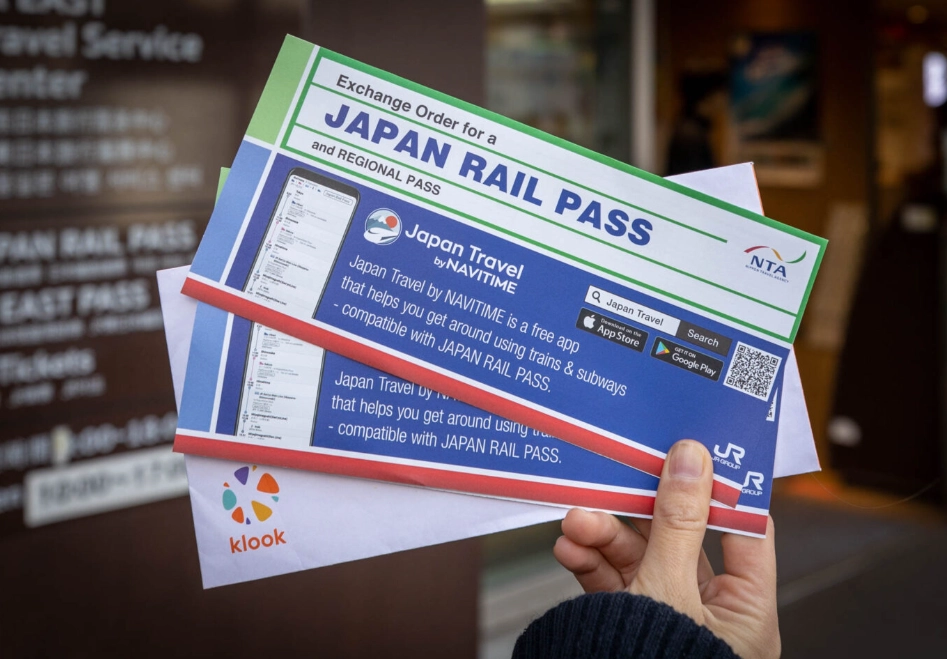
Why Regional Passes Often Beat the National JR Pass
The national 7-day JR Pass now costs around ¥50,000. That’s a big chunk of change. Unless you’re doing Tokyo–Kyoto–Hiroshima–Kanazawa in a single week, you probably won’t break even. Regional passes run ¥10,000–¥25,000 and cover the exact spots most itineraries actually hit.
Here’s a concrete example from my last trip. I flew into Fukuoka, spent five days in Kyushu, then took a cheap domestic flight to Osaka. A JR Kyushu Rail Pass (Northern Kyushu version, 5 days) cost ¥15,000. It covered the shinkansen from Fukuoka to Kumamoto, the scenic Aso Boy train, and the Yufuin no Mori limited express. A national pass would have been triple the price and covered none of those interesting local lines.
💡 Non-consensus tip: The national JR Pass has gotten worse value since the price hike. Regional passes are now the real sweet spot for 80% of leisure travelers. The only people who still win with the national pass are those hitting three or more distant regions in seven days — and those people are exhausted, not happy.
How Do You Pick the Right Japan Regional Rail Pass?
Forget the marketing pages. Do this instead.
Step 1: List every long-distance train you’ll take. Not the city subways — those are separate. Just the JR trains between cities. Write down the route and the one-way fare using a site like Jorudan or Navitime.
Step 2: Sum those fares. If the total is less than the pass price, skip the pass. Simple.
Step 3: Check coverage boundaries. This is where people slip up. Many regional passes exclude certain shinkansen segments or require surcharges. The Kansai Wide Area Pass, for instance, covers the Sanyo Shinkansen only as far as Okayama — not to Hiroshima. I watched a couple at Shin-Osaka get turned away because they assumed it went all the way. They had to buy separate tickets.
Step 4: Factor in seat reservations. Most regional passes include free seat reservations, but a few (like some Hokkaido passes) have limited quota. During cherry blossom season, I couldn’t reserve a seat on the Hokuto Express because all reserved cars were full. The pass was still valid, but I stood in the non-reserved car for two hours. Not fun.
Top 3 Regional Passes Worth Your Yen
| Pass Name | Area | Price (approx.) | Best For | Key Routes Covered |
|---|---|---|---|---|
| JR Kyushu Rail Pass (Northern) | Fukuoka, Kumamoto, Yufuin, Beppu | ¥15,000 (5 days) | First-timers doing a loop from Fukuoka | Hakata–Kumamoto shinkansen, Yufuin no Mori, Aso Boy |
| Kansai Wide Area Pass | Osaka, Kyoto, Nara, Kobe, Okayama, Kinosaki | ¥12,000 (5 days) | Travelers who want day trips from Osaka/Kyoto | Haruka airport express, Sanyo Shinkansen to Okayama, Kinosaki Onsen train |
| JR East Pass (Tohoku) | Tokyo, Sendai, Aomori, Yamagata | ¥20,000 (5 days) | People skipping Kyoto for quieter north | Tohoku Shinkansen, Yamagata Shinkansen, scenic resort trains |
I’ve used the first two personally. The Kyushu pass is the simplest — the network is compact, the trains are quirky, and you can’t really get lost. The Kansai Wide pass saved me at Kinosaki Onsen: the train ride alone was ¥6,000 round trip, and the pass covered it plus my airport transfer.
The Tohoku pass is on my list for next time. A friend who lives in Sendai told me the Tohoku Shinkansen is rarely crowded outside Golden Week, and the pass now includes some JR buses in the region. That’s a detail most blogs miss.
The Coverage Gap Trap Nobody Warns You About
Here’s what the glossy brochure won’t tell you: many regional passes have exclusion zones inside their own coverage map.
Take the Hokuriku Arch Pass. It sounds perfect for Tokyo–Kanazawa–Osaka. And it is, for the main route. But if you want to detour to Takayama, the pass covers only part of the Hida line — you pay extra beyond a certain station, and it’s not obvious from the map.
I learned this the hard way in Kanazawa. I asked the station agent if my pass covered the bus to Kenrokuen Garden. She laughed. “No, that’s a city bus.” The pass covers only JR trains and a specific list of JR buses. Those details are buried in the fine print on JR’s official site — not the travel blogs.
Another trap: Shinkansen seat class. Almost all regional passes are for ordinary cars. If you hop into a Green Car by mistake, the conductor will charge you the full Green Car fare, and your pass won’t help. I saw a tourist argue about this for ten minutes at Nagano Station. He lost.
A Real Scenario: Kansai vs. Kanto Pass Math
Let’s say you land in Osaka, spend two days there, then day-trip to Nara and Kobe, then go to Kyoto for three days. You’re considering the Kansai Wide Area Pass (¥12,000) vs. paying as you go.
Here’s the actual math from my last trip:
- Kansai Airport to Osaka Station (Haruka express): ¥2,900
- Osaka to Nara round trip (rapid train): ¥1,600
- Osaka to Kobe round trip: ¥840
- Osaka to Kyoto one-way: ¥570
- Kyoto to Kansai Airport (Haruka): ¥3,600
Total: ¥9,510. The pass costs ¥12,000. So unless you add a day trip to Okayama (¥6,000 round trip) or Kinosaki Onsen (¥6,000 round trip), the pass loses. I added Okayama — that pushed my total to ¥15,510, making the pass a ¥3,510 winner. But if you skip that side trip, skip the pass.
My rule of thumb: Buy a regional pass only if you have at least one “big” side trip that costs more than ¥4,000 round trip. Otherwise, an IC card like Suica or ICOCA gives you more freedom and usually comes out cheaper.
FAQ: What Travelers Actually Ask
Fact-checked against JR Group official pass terms and current fare data from Jorudan. Prices are approximate and subject to change.

Leave a Comment