What's Inside (Quick Jump)
I've been living in Japan for over a decade, and I still remember my first week. I bowed at a convenience store clerk, panicked when someone handed me a receipt with both hands, and ate a rice ball the wrong way. Most Japan etiquette tips online are either too general or too rigid. The real trick is knowing which rules actually matter and when they're flexible.
This guide isn't a list of "10 things you must never do." It's what I wish someone had told me before stepping off the plane. The Japan etiquette tips below come from years of awkward mistakes, quiet corrections from locals, and hundreds of conversations with fellow travelers.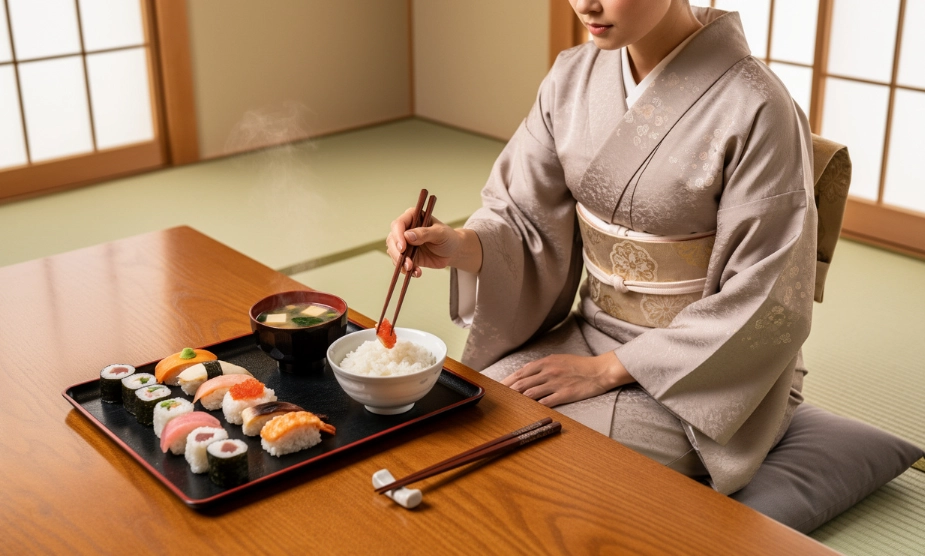
The one rule that covers 80% of situations: pay attention to what people around you are doing, and mirror it. Japanese manners are deeply situational. A crowded train at 8 AM has different expectations than a quiet garden.
Train Silence and Platform Rules That Locals Follow
Trains in Japan are not just transport. They're a shared living room for millions. The biggest rookie mistake I see? Talking on the phone. Even a whisper carries. When your phone rings, most people silence it immediately. If you must answer, cup your hand over your mouth and speak in a voice barely above a breath, then get off at the next stop to continue.
Another subtle one: bag placement. When the train isn't packed, put your backpack on your lap or the overhead rack. Don't plop it on the seat next to you. Sounds obvious, but I've watched tourists treat the seat like a bag rack while a grandmother stands.
I once saw a man quietly wipe the seat with a tissue before sitting down. Not because it was dirty, but because he had a slight cold and didn't want to leave anything behind. That level of consideration is the real Japan etiquette tip nobody writes about.
Priority seats and backpack rules
Priority seats near the doors are for elderly, pregnant, and disabled passengers. If you're sitting there and someone eligible boards, stand up. Also, on many lines, you'll hear an announcement to turn your phone to silent mode. Follow it.
One non-consensus tip: don't rush to give up your seat aggressively. A small nod and stepping aside is enough. Overly enthusiastic gestures can make people uncomfortable.
Table Manners: Chopsticks, Slurping, and the Bill
Chopstick rules get a lot of attention, but the biggies are simple. Never stick chopsticks vertically into rice (that's an offering to the dead). Don't pass food from chopstick to chopstick (also funeral-related). And when you're done, place them back on the holder or the edge of your dish. If there's no holder, rest them on the small plate provided.
What about slurping?
Slurping noodles is fine. In fact, it cools the noodles and shows you're enjoying them. But slurping rice or soup from a spoon is less common. I've seen tourists aggressively slurp miso soup and get odd looks. Use the spoon for soup, and lift the bowl to drink directly if you prefer.
| Dining situation | Do | Don't |
|---|---|---|
| Sushi counter | Eat in one bite, dip fish side into soy sauce | Mix wasabi into soy sauce (unless you ask) |
| Izakaya | Wait for everyone to say "kanpai" before drinking | Pour your own beer |
| Ramen shop | Slurp loudly, finish quickly | Leave a tip (not customary) |
| Fine dining | Say "gochisousama deshita" to the chef | Hand money directly to the server |
Here's a specific case: at a sushi counter in Tokyo, I watched a visitor dip the rice into soy sauce. The chef gently said, "The rice falls apart." He then demonstrated dipping just the fish. That's the level of detail that matters. The bill? Place money on the small tray near the register, not in the cashier's hand. At many places, you pay at the front.
Shrine and Temple Customs You Shouldn't Guess
Visiting a shrine is not like visiting a church. The purification ritual (temizu) goes: scoop water with the ladle, pour over your left hand, then right hand, then pour water into your left hand to rinse your mouth (spit discreetly to the side, not back into the basin). Finally, tilt the ladle to let water run down the handle to clean it. I've seen people drink directly from the ladle. Please don't.
At the main hall, bow twice, clap twice, bow once more. That's for Shinto shrines. Buddhist temples usually don't require clapping. When in doubt, watch a local.
One thing that surprises people: many shrines have a dress code, especially during festivals. No, you don't need a kimono. But avoid tank tops and very short shorts if you plan to enter the inner sanctuary. I learned this the hard way at a rural shrine in Nara, where an elderly man politely handed me a light jacket.
Onsen Tips: What Nobody Tells You About Tattoos and Towels
Onsen etiquette is where even experienced travelers mess up. First, wash yourself thoroughly before entering the bath. Sit on the small stool, use the shower head, and keep soap out of the main pool. Second, don't let your towel touch the water. Most people fold it and place it on their head or the edge of the bath.
Tattoos remain a sensitive topic. Many traditional onsen still ban visible tattoos. But here's what the guides don't tell you: some places offer cover-up stickers at the front desk, and others have private family baths (kashikiri) you can rent. I always recommend calling ahead if you have tattoos. A quick "tattoo daijoubu desu ka?" (are tattoos okay?) saves embarrassment.
A non-consensus tip: If you have a small tattoo, a waterproof bandage works at some places, but don't assume. And if you're turned away, don't argue. It's not personal; it's a long-standing rule tied to the idea of cleanliness.
Shopping Street Etiquette: Cash, Bags, and Tasting
In shotengai (shopping streets), cash is still king, especially at small stalls. Many places don't take credit cards, so carry at least 5,000 yen in small bills. When you buy something, there's often a small tray for your money. Place the bill there, and take your change with both hands.
Tasting is common at food stalls, but only if there's a sign or a sample out. Don't grab a free sample unless offered. And if you're eating while walking, that's generally frowned upon. Find a bench or stand near the stall. I've seen tourists munching on yakitori while wandering through a crowded market. Locals will give you a wide berth, not because they're rude, but because it's considered messy.
Bring your own bag? Many stores charge for plastic bags now, so a foldable tote is handy. And when you're done shopping, don't leave trash behind. Most konbini have bins for specific items (bottles, cans, burnables), so sort accordingly.
FAQ: Real Questions from First-Timers
This article was fact-checked against current local customs and firsthand experience living in Japan.

Leave a Comment